Indoor Air Quality in Reno, NV
Reno's air quality problems are specific: wildfire smoke in summer, desert dust year-round and very dry air in winter. What actually helps each one.
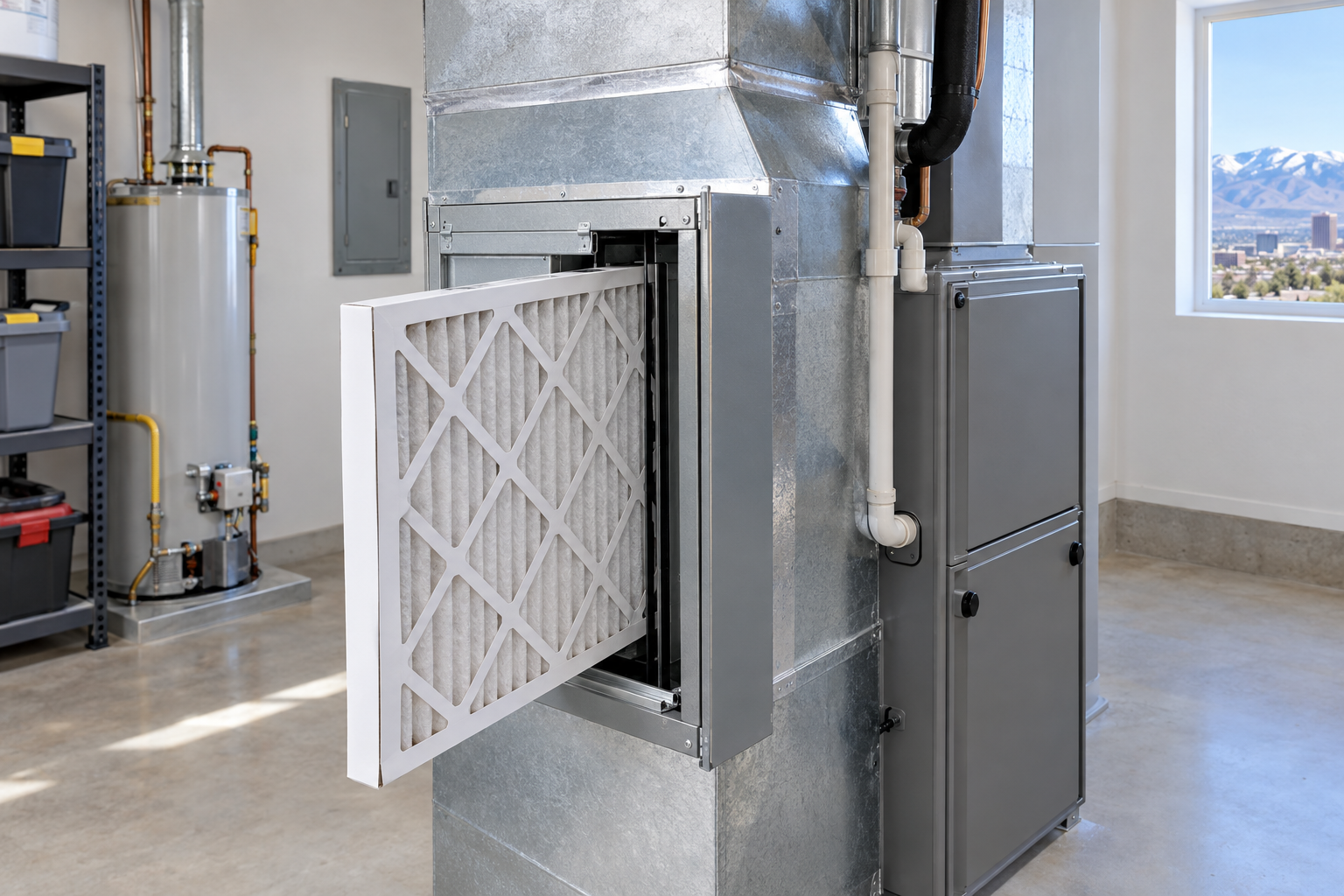
Illustrative image. Not a photo of a specific provider or job.
Indoor Air Quality: what to know
Indoor air quality in Reno is three separate problems wearing one label. Late-summer wildfire smoke brings fine particles. High desert dust is a year-round guest. And winter heating drives indoor humidity low enough to crack skin, woodwork and sinuses.
Each problem has a different fix, and the expensive gadget is rarely the first step. Filtration and sealing address smoke and dust; humidification addresses dryness; ventilation addresses stale air. A provider should diagnose which problem you actually have before selling equipment.
Signs this applies to you
- Smoke smell or haze indoors during fire season
- Dust returns to surfaces within days of cleaning
- Allergy or asthma symptoms that are worse indoors
- Static shocks, cracked lips and dry sinuses all winter
- Musty odors in closed rooms
- Someone in the home has respiratory sensitivity
How the work usually goes
- Identify the actual problemParticles, dryness, odors and stale air are different issues. A provider should ask about symptoms and seasons before proposing equipment.
- Start with the filterThe HVAC filter is the cheapest IAQ device you own. Upgrading to a higher-MERV filter the blower can handle captures smoke and dust at the source.
- Seal and ventilate deliberatelyLeaky ducts pull attic and crawlspace air into the system. Sealing ducts and adding controlled ventilation beat uncontrolled leakage.
- Then consider equipmentWhole-house humidifiers, media cabinets, HEPA bypass units or UV lights, matched to the diagnosed problem, not sold as a bundle.
In the Reno area
During wildfire smoke events, the EPA recommends closing windows, running the system on recirculate with the highest-MERV filter your blower allows, and using portable HEPA cleaners in occupied rooms. Ask a provider to confirm your blower's static-pressure tolerance before jumping to a very high-MERV filter, since too-restrictive filters can strain older furnaces.
What affects the price
- The diagnosed problem: filtration, humidity, ventilation or duct condition
- Whether duct sealing is needed first
- Equipment tier and how many rooms or systems it serves
- Ongoing costs: filter media, bulbs, pads and their replacement schedule
Prices are set by the provider. Get a written quote.
Questions to ask any provider
- Which of my symptoms does this equipment address, and how?
- What MERV rating can my blower handle without strain?
- What are the ongoing filter, pad or bulb costs per year?
- How will we know it worked: what changes do I watch for?
Check licenses at the Nevada State Contractors Board license search.
Frequently asked questions
Sources and further reading
- U.S. EPA: Wildfires and indoor air quality
- U.S. EPA: Guide to air cleaners in the home
- U.S. EPA: Should you have the air ducts in your home cleaned?
- Nevada State Contractors Board: license search
These pages give general background. This page does not give figures for your system or home, so confirm details with a licensed provider. General information only, not advice for your specific system. This site is an independent referral service. Providers are separate businesses responsible for their own licensing, insurance, pricing and work.