Duct Cleaning and Sealing in Reno, NV
Cleaning and sealing are different jobs with different paybacks. When each is warranted, what the EPA says, and what to ask first.
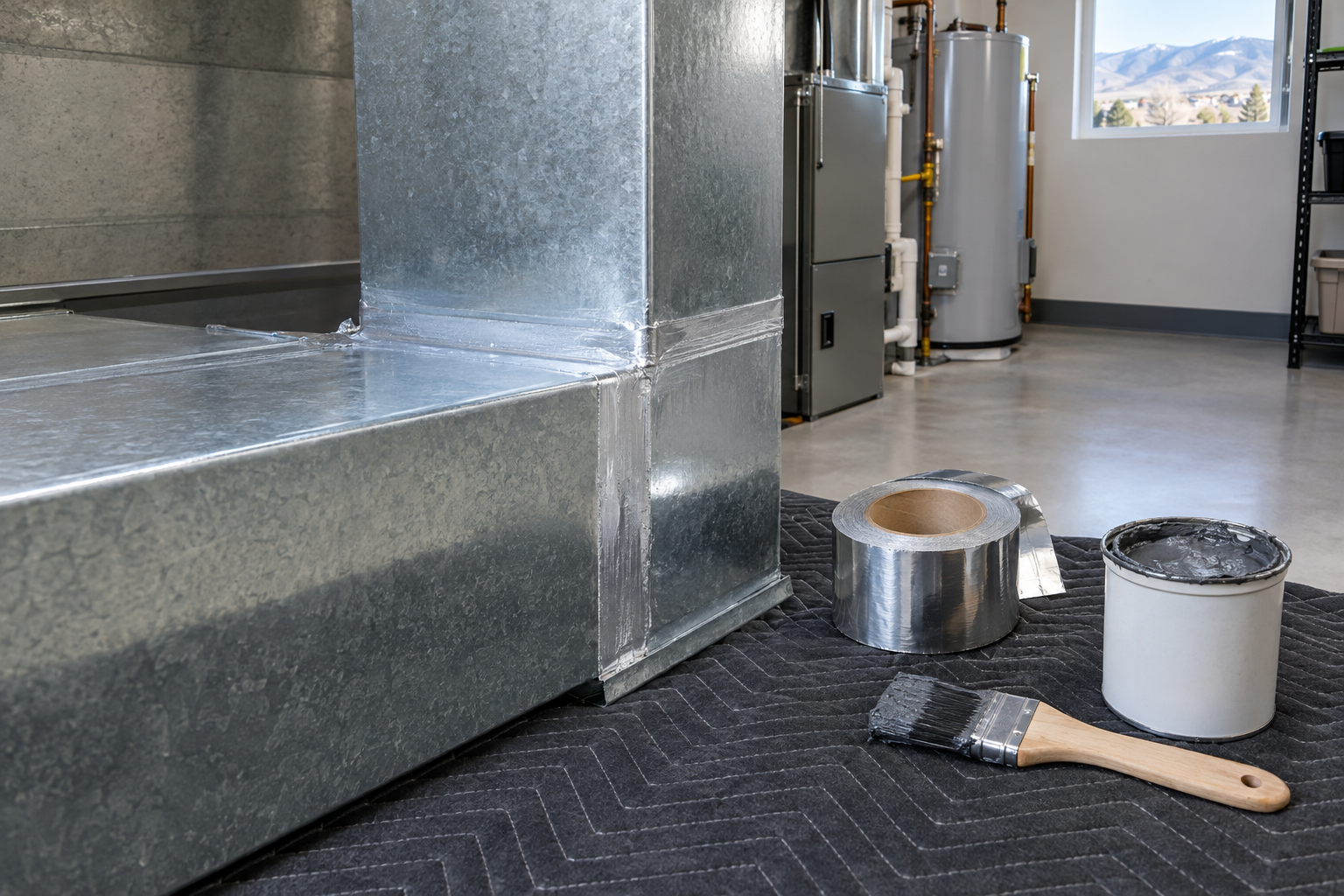
Illustrative image. Not a photo of a specific provider or job.
Duct Cleaning and Sealing: what to know
The EPA's position on duct cleaning is narrower than the ads suggest: clean ducts when there is visible mold growth inside, vermin infestation, or ducts clogged with enough debris to release particles into the home. Routine cleaning on a schedule is not generally recommended.
Duct sealing is the quieter, better investment for most Reno homes. Leaky ducts pull dusty attic and crawlspace air into the system and dump heated or cooled air where nobody lives. Sealing those leaks improves comfort, air quality and bills at once.
Signs this applies to you
- Puffs of dust from registers when the blower starts
- Evidence of rodents or insects in ducts
- Visible mold inside ductwork or on the air handler
- Rooms at the end of duct runs that never reach temperature
- A dusty house no matter how often filters change
- High bills and an attic full of old flex duct
How the work usually goes
- Inspect before anythingA look inside with a camera or at registers and the air handler shows whether cleaning is warranted at all, and where leaks live.
- Clean only with causeIf cleaning is justified, the job includes agitation plus negative-pressure collection, the coils and blower, and the cause of contamination addressed.
- Seal the leaksAccessible joints, boots and plenums get mastic or metal tape, not cloth duct tape, and the worst flex runs are re-supported or replaced.
- Verify the resultA duct leakage or static-pressure test before and after shows what changed. Ask for the numbers.
In the Reno area
Many Reno attics hold decades-old flex duct that has sagged, kinked or split at connections, and desert dust plus rodent pressure in outlying areas like Spanish Springs and Cold Springs make inspection worthwhile before any cleaning quote. If a company quotes cleaning sight-unseen over the phone, treat that as the red flag it is.
What affects the price
- Whether cleaning is actually warranted, per the EPA's criteria
- System size, register count and access to the air handler
- How much of the ductwork is accessible for sealing
- Whether damaged flex runs need replacement, not just sealing
Prices are set by the provider. Get a written quote.
Questions to ask any provider
- What did the inspection show that makes cleaning necessary?
- Does the quote include the coil and blower, and how is debris contained?
- Will you measure leakage or static pressure before and after sealing?
- What materials do you seal with, and what warranty covers it?
Check licenses at the Nevada State Contractors Board license search.
Frequently asked questions
Sources and further reading
- U.S. EPA: Should you have the air ducts in your home cleaned?
- U.S. EPA: Guide to air cleaners in the home
- U.S. Department of Energy: Guide to home heating and cooling (PDF)
- Nevada State Contractors Board: license search
These pages give general background. This page does not give figures for your system or home, so confirm details with a licensed provider. General information only, not advice for your specific system. This site is an independent referral service. Providers are separate businesses responsible for their own licensing, insurance, pricing and work.